Interview with Don Naugler – General Manager at VJ Electronix
As electronics manufacturing continues to evolve, driven by artificial intelligence (AI), high-power applications, and increasing board complexity, rework technology must keep up. VJ Electronix Inc. has long been recognized as a leader in rework and X-ray inspection solutions, and its newest platform, the Summit LT150, is a significant step forward. We recently spoke with Don Naugler, General Manager, to discuss the company’s strategic direction and the innovations shaping next-generation rework.
VJ Electronix has built a strong reputation in rework and inspection technologies. How would you describe the company’s direction as the industry evolves?
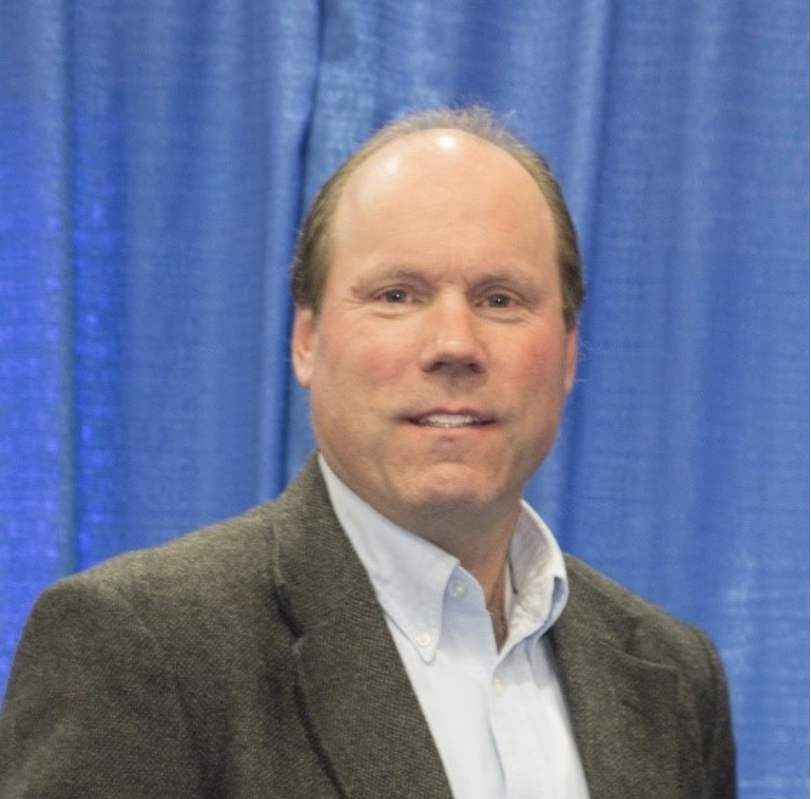 The trajectory of electronics manufacturing is unmistakable: assemblies are becoming larger, denser, and more complex, particularly in sectors like AI, aerospace, and power electronics. At VJ Electronix, we are focused on enabling manufacturers to keep pace with that complexity without compromising yield or reliability.
We are investing heavily in next-generation rework platforms, enhanced process control, and integrated solutions that combine precision heating, advanced vision, and data-driven optimization.
Our goal is to move beyond simply providing equipment. Instead, we want to deliver process confidence. Our focus on collaboration is just as important. Our innovations are developed in collaboration with the top OEMs and EMS providers, ensuring that what we build directly addresses real production challenges. That customer-driven approach will continue to guide where we’re headed.
The Summit LT150 has generated significant industry attention. What market need led to its development?
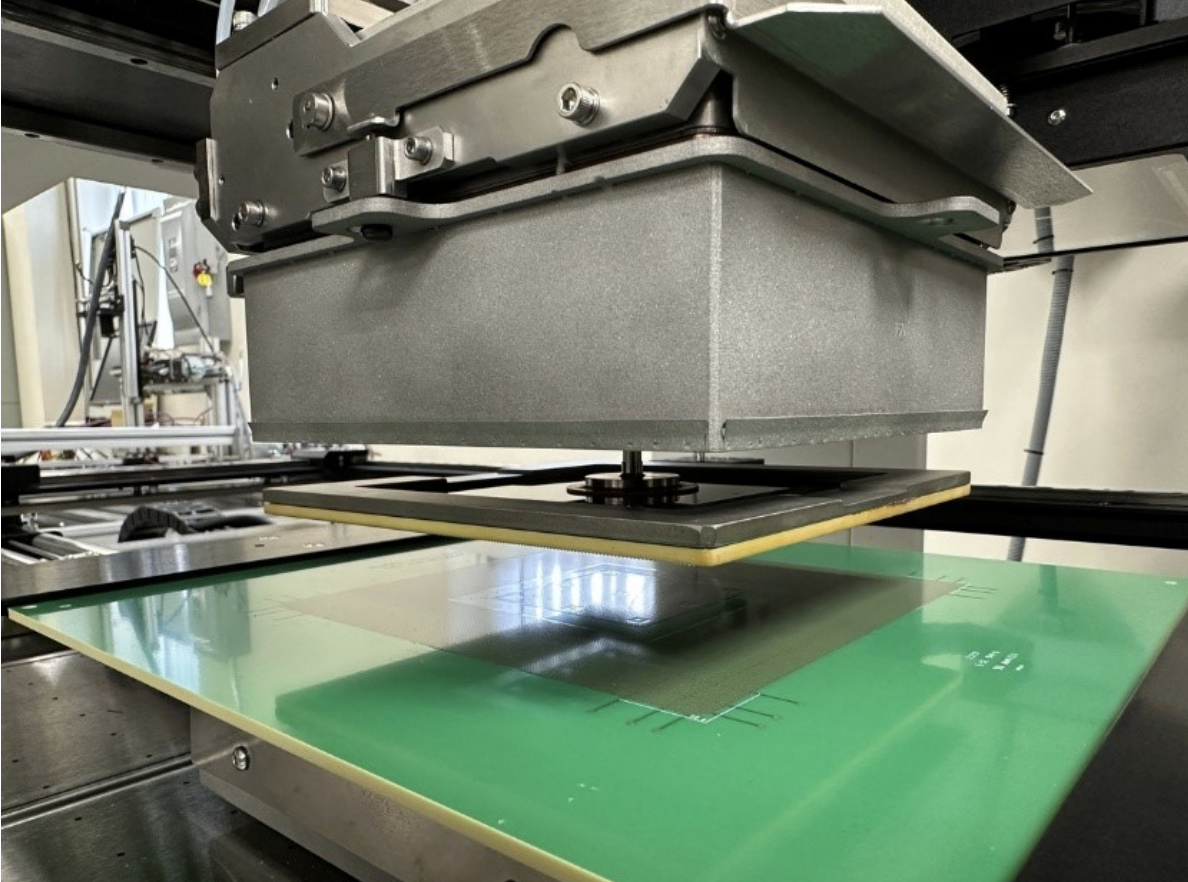 The LT150 is a direct response to what we’ve been hearing from the market. As component sizes increase, especially with AI processors, power modules, and large BGAs, traditional rework systems begin to hit their limits.
Manufacturers told us they needed a solution capable of handling larger components and boards without sacrificing precision or thermal control. That’s what drove the development of the LT150. It was designed specifically to address profile requirements and handling needs of large-format, high-density assemblies that are becoming more common across advanced applications.
We didn’t just scale up an existing platform; we rethought how to deliver uniform heating, accurate alignment, and repeatable results at these larger dimensions.
From a technical standpoint, what makes the Summit LT150 stand out compared to previous systems?
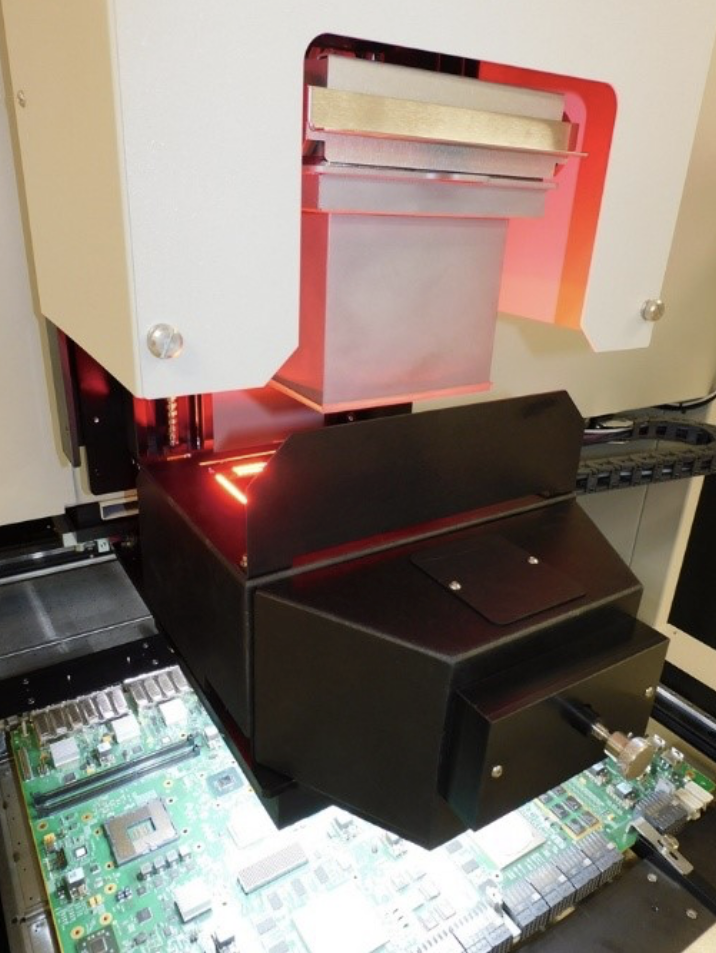
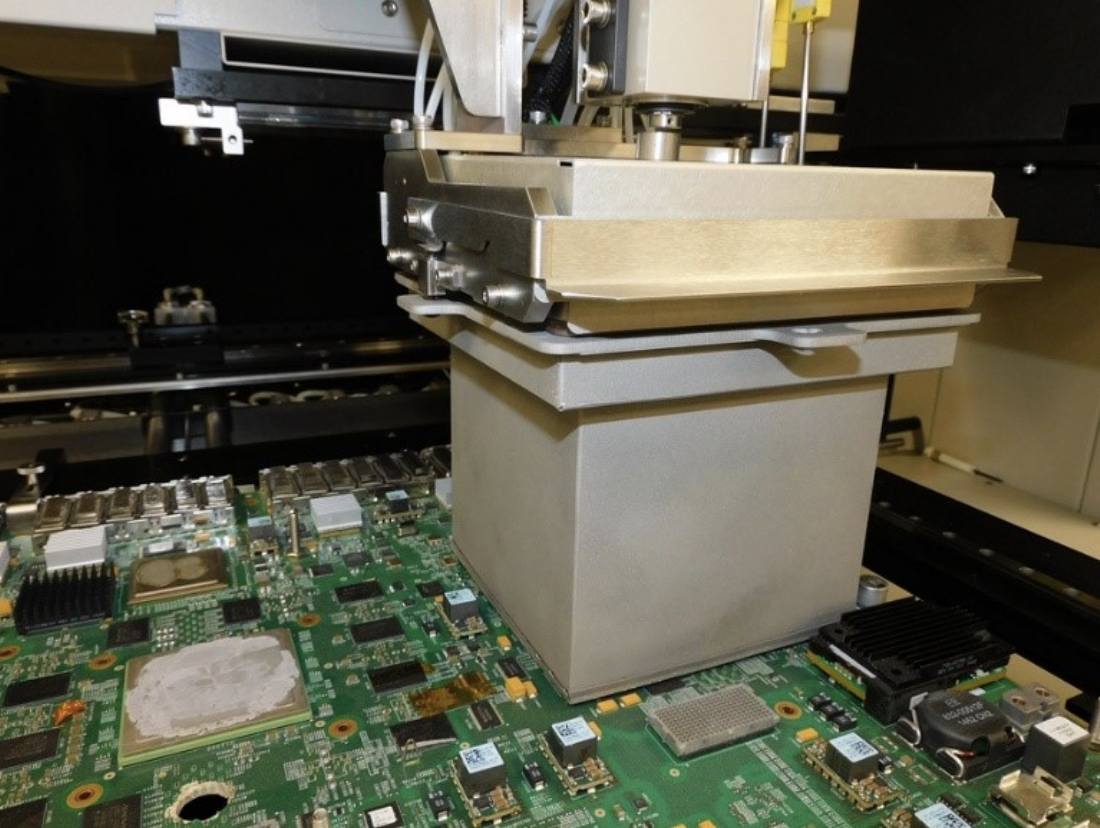 There are several key innovations that define the LT150. First is the expanded 150×150 mm vision system that allows operators to view the entire component while still zooming into critical alignment points. That combination of macro and micro visibility is essential to help deliver confidence regarding placement on large devices.
Second is the thermal architecture. The system incorporates a 4.4 kW top heater paired with up to 11.2 kW of bottom-side heating. This balanced heating approach ensures consistent solder reflow across the entire component footprint from center to edge while minimizing thermal stress.
We’ve also integrated dual PID control, programmable airflow, and a dedicated spot heater. These features give engineers the ability to fine-tune thermal profiles for a range of materials and package types, which is critical when dealing with high-value assemblies.
Ultimately, it’s about delivering repeatability and process control at a scale that wasn’t previously achievable.
Large-format assemblies often introduce mechanical and accessibility challenges. How does the LT150 address those?
As assemblies grow, you’re not just dealing with larger components, you’re also dealing with taller connectors, heat sinks, and power modules. The LT150 accommodates board sizes up to 24x36″, with options for even larger formats. It also provides up to 100 mm of clearance on both the top and bottom sides, allowing safe access around tall components. This level of accessibility is critical because it enables rework without compromising surrounding components. It reduces risk, improves ergonomics for the operator and, ultimately, contributes to higher success rates.
Speed and throughput remain key considerations for EMS providers. How does the LT150 balance precision with productivity?
Traditionally, there’s been a tradeoff between precision and throughput, especially in rework. With the LT150, we’ve worked to eliminate that compromise. The combination of balanced heating, advanced control systems, and optimized airflow allows for faster thermal ramp-up and more consistent profiles. That translates into shorter cycle times without sacrificing quality. At the same time, the system’s automation and intuitive software reduce operator intervention. This not only improves efficiency but also helps standardize processes across different operators and facilities.
The LT150 recently received an industry award. What does that mean for VJ Electronix and your customers?
 Being recognized with a 2026 NPI Award is a strong validation of the work our team has done. More importantly, it reinforces that we’re solving real challenges for our customers. For manufacturers, it provides confidence that the LT150 is not just innovative but also that it’s practical, reliable, and ready for production environments. That’s always our priority.
How does the Summit LT150 fit into VJ Electronix’s broader product strategy?
The LT150 is part of a larger evolution of our Summit platform. We’ve built a portfolio that spans from smaller, highly precise systems to large-format solutions like the LT150. What ties them all together is a consistent focus on accuracy, thermal control, and ease of use. We’re also continuing to integrate our rework systems with our X-ray inspection and component counting technologies to create a more connected manufacturing ecosystem. Looking to the future, you’ll see even more emphasis on data integration, process traceability, and automation.
How has the growth in AI technology affected VJ Electronics business wise?
One of our strengths has been dealing with larger and more challenging rework applications. Demand for our large-board LXi and LT platforms has skyrocketed, especially in the last nine months. As a result, our lead times have increased. We are working hard to scale production to keep pace. It is a good problem to have. I am happy to say we have a great team and great suppliers, and we are making progress to meet the demand.
Finally, what do you see as the biggest challenge – and opportunity – for electronics manufacturers in the coming years?
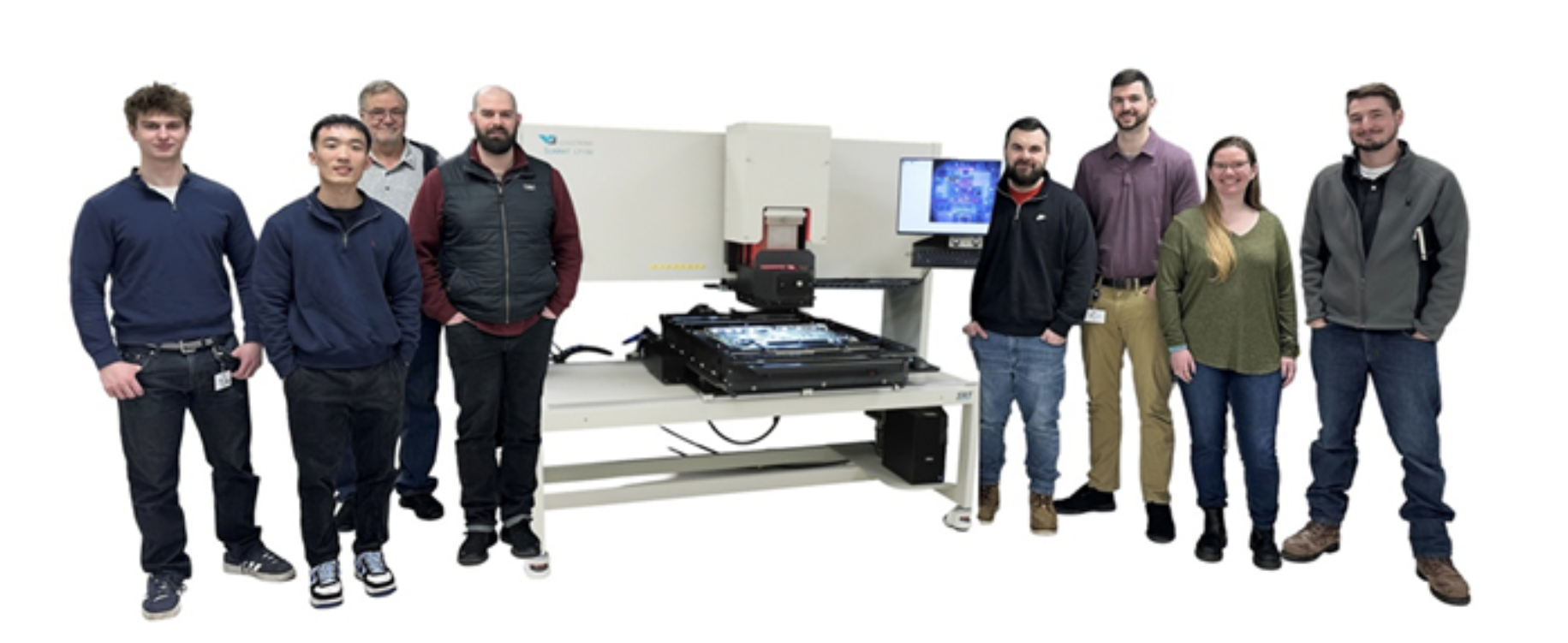 The biggest challenge is managing complexity. Assemblies are becoming more advanced, more expensive, and less tolerant of process variation. That raises the stakes for rework, inspection, and overall process control. But with that challenge comes opportunity. Manufacturers who invest in the right technologies can significantly reduce scrap, improve yields, and maintain greater control over their production processes.
At VJ Electronix, our role is to provide the tools that make that possible. The Summit LT150 is a great example of how we’re helping customers take on challenges that were previously considered too difficult or risky and turn them into opportunities for growth.