Reducing Solder Costs in a High-Price Market: How EVS International Helps Electronics Manufacturers Recover Value
By Simon Norman
As global electronics manufacturers continue to navigate supply chain volatility, inflationary pressures, and rising material costs, one challenge has become impossible to ignore: solder prices are at record highs. For many EMS providers and PCB assemblers, solder has shifted from being a manageable consumable expense to a major operational cost. The widespread adoption of lead-free alloys, fluctuating tin prices, and increasing production demands have all contributed to an environment where manufacturers are under pressure to find meaningful ways to reduce waste and improve efficiency without compromising quality.
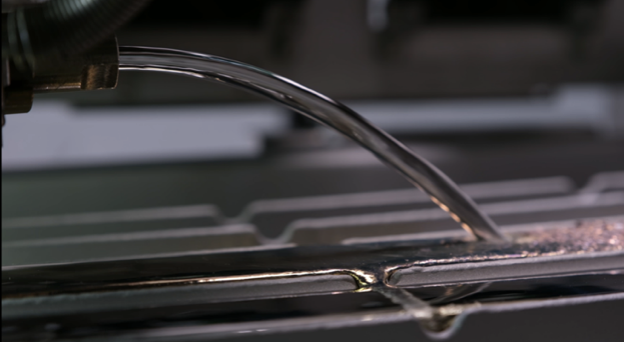 For decades, one of the most overlooked areas of cost recovery in electronics manufacturing has been solder dross. Traditionally viewed as an unavoidable byproduct of wave and selective soldering processes, solder dross has often been discarded or sent offsite for processing, creating additional expenses in transportation, handling, and material replacement. Today, however, manufacturers are rethinking that approach, and EVS International has positioned itself at the forefront of that shift.
Recognized globally as a leader in solder recovery technology, EVS International has built its reputation on helping electronics manufacturers significantly reduce solder consumption, minimize waste, and improve profitability through innovative onsite solder recovery systems.
Founded with a focus on solving real-world manufacturing challenges, EVS International develops and manufactures patented solder recovery systems that allow companies to reclaim reusable solder directly from solder dross on the production floor. Rather than treating dross as waste, EVS systems transform it into a valuable reusable resource. According to the company, its systems can recover an average of 50-80% of solder from dross, resulting in solder purchase reductions of up to 40-50% for many operations. That level of savings is especially important in today’s market.
“With solder prices reaching historic highs, manufacturers are looking much more closely at where material losses are occurring,” said Jason Norman, Global Service Manager. “What many companies discover is that a tremendous amount of usable solder is literally being thrown away every day in the form of dross. Our technology gives manufacturers the ability to recover that solder onsite, immediately reducing the amount of new solder they need to purchase.”
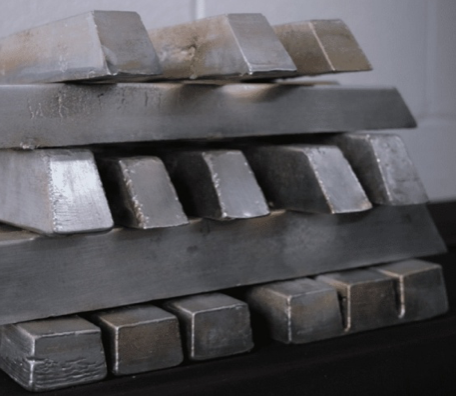 Unlike conventional recycling approaches that require shipping dross to third-party processors, EVS systems operate directly within the manufacturing environment. The recovered solder is returned in the form of clean ingots that can be placed back into the solder pot for reuse. The process is fully enclosed, automated, and designed to minimize operator handling while improving shop floor cleanliness and safety.
The company’s systems are also notable for their simplicity and rapid return on investment. EVS machines are engineered to fit seamlessly into existing operations using the same personnel already responsible for de-drossing wave solder machines. Running costs are minimal, requiring only standard electrical supply.
“In many cases, customers achieve payback within months, not years,” Norman explained. “That’s because the reduction in solder purchasing is immediate and substantial. When you combine that with lower waste disposal costs, reduced downtime, and improved process consistency, the financial impact becomes very compelling.”
One of the key differentiators for EVS International is the company’s patented solder recovery technology. Designed and manufactured by EVS, the systems use a proprietary process involving heat, pressure, and filtration to separate pure solder from oxidation and waste material. The resulting solder remains within the same specification tolerances as the original solder bath, a point that has been validated through extensive testing and independent verification. 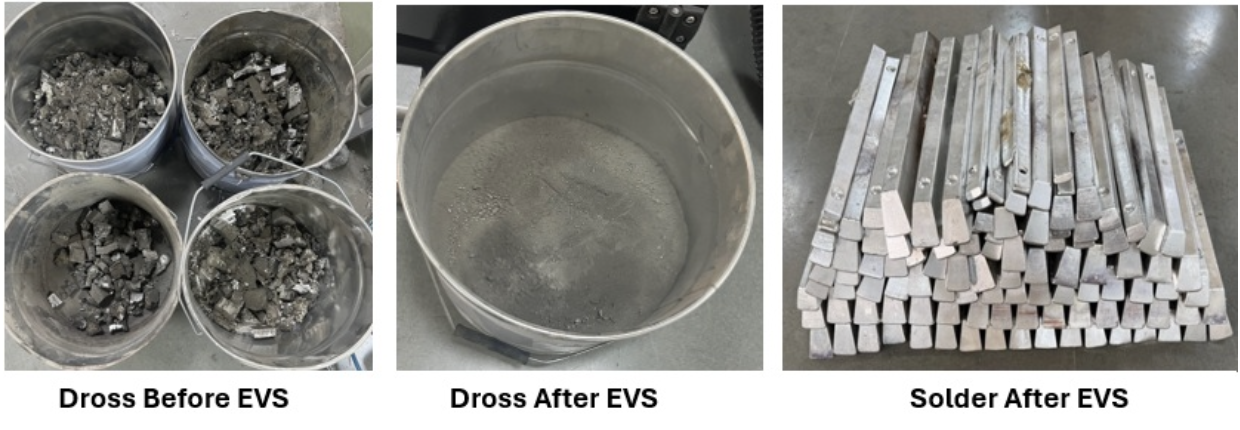 “Quality is absolutely critical in electronics manufacturing,” Norman said. “Recovering solder is only valuable if the recovered material performs exactly as required in production. That’s why EVS has invested heavily in ensuring the integrity and consistency of the recovered solder. Manufacturers can confidently return the ingots directly back into their solder pots without compromising process quality.”
“Solder suppliers and recyclers may tell you otherwise, though. They want to buy your dross for a fraction of its value,” Norman added. “We encourage all our customers to take back control and recover your own solder from your dross. What you get back is not recycled solder. It’s your own solder from your own bath. If you lift dross from the pot with a slotted spoon, whatever drips back is the same solder as in the pot. EVS does exactly the same as this but in a more efficient, automatic way.
EVS International’s product portfolio includes systems sized for a range of production environments, from smaller operations running a limited number of wave solder machines to high-volume manufacturers requiring larger-capacity recovery systems. The company offers both leaded and lead-free compatible systems, supporting the industry’s continued transition toward environmentally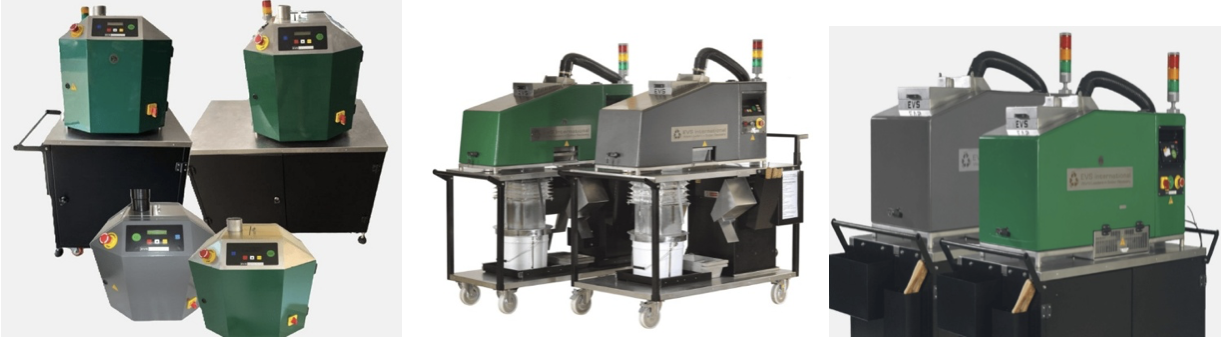 The company has continued to evolve its technology in response to customer feedback and changing industry demands. Recent systems feature upgraded automation, touchscreen interfaces, enhanced safety systems, sealed cabinet designs, and improved fume extraction capabilities.
“Our engineering philosophy has always been centered around practical manufacturing needs,” Norman added. “Customers want systems that are easy to operate, reliable, safe, and capable of delivering measurable cost savings. We continuously refine our technology based on direct feedback from manufacturers worldwide.”
Beyond cost reduction, EVS technology also supports broader sustainability initiatives. As environmental regulations and ESG objectives become increasingly important across the electronics sector, manufacturers are emphasizing waste reduction and responsible resource management. EVS systems help companies reduce offsite dross disposal, minimize transportation requirements, and support ISO14001 environmental initiatives through onsite recycling and material reuse.
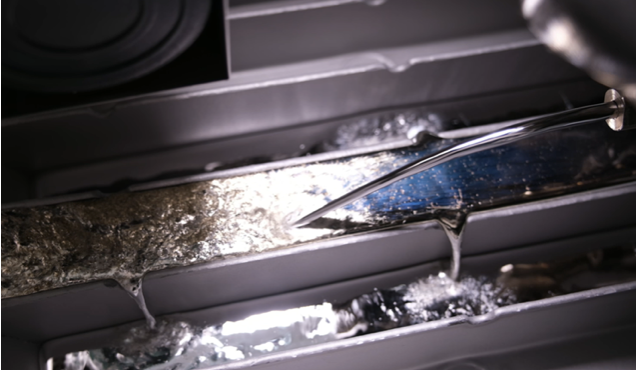 The environmental advantages also create operational benefits on the production floor. By reducing oxidation and improving solder pot cleanliness, EVS systems can help manufacturers reduce shorts, bridging, and rework while improving wave soldering efficiency.
“In today’s competitive manufacturing environment, companies cannot afford unnecessary waste,” Norman concluded. “Recovering solder is no longer simply an environmental initiative; it’s a strategic financial decision. Manufacturers are realizing they can improve profitability, strengthen sustainability efforts, and enhance process performance simultaneously.”
As solder costs continue rising, the conversation around material recovery is becoming increasingly urgent throughout the electronics manufacturing industry. What was once considered a secondary operational issue has now become a direct contributor to profitability and competitiveness.
For more information about EVS International, visit www.solderrecovery.com.