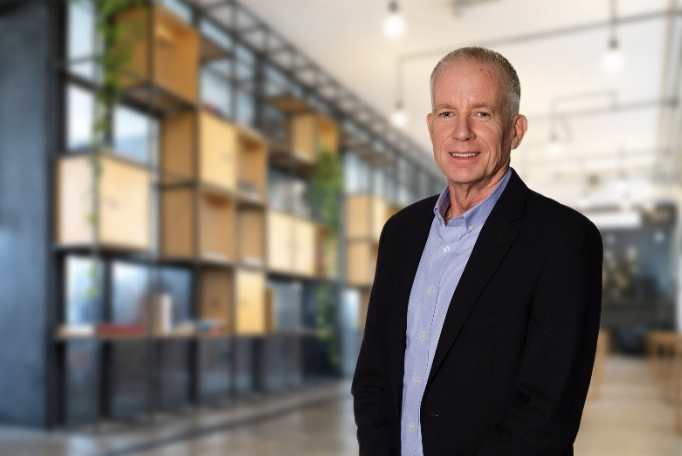
Interview with Bill Boyer, COO, Eastek International Corporation
Connecting Design, Supply Chain, and Manufacturing in a More Complex Market
OEMs are being pushed to do two things at once: simplify their supply chains and manage increasingly complex products. Many organizations are not structured to do both effectively.
 Eastek International is a vertically integrated manufacturer delivering product development and turnkey manufacturing solutions across the Medical Device, Industrial, Transportation, and Battery Pack sectors. Headquartered in Vernon Hills, Illinois, with operations in Mexico and Malaysia, the company supports customers from early-stage development through full production.
We spoke with Bill Boyer, Chief Operating Officer at Eastek International, about how the company approaches complex manufacturing, how its global model is structured, and what is shaping demand across the EMS industry.
Eastek operates in a highly competitive EMS market. How would you define the company’s position today?
Some EMS providers are structured around specific capabilities such as assembly, sourcing, or testing.
Eastek’s model is built to connect those functions across design, supply chain, manufacturing, and system integration. This approach helps reduce handoffs between stages of a program, which can impact timing and execution.
Customers are increasingly looking for partners who can support multiple aspects of the product lifecycle within a single operating model.
Eastek supports complex, high-mix manufacturing programs. What enables consistency in that environment?
High-mix environments require strong process control.
That includes how engineering changes are managed, how materials are planned and sourced, and how production is scheduled. Engineering, supply chain, and operations are aligned early in the program.
Inspection and testing are integrated throughout the process. This supports consistency across a wide range of product configurations.
What role does your Vernon Hills facility play in supporting customer programs?
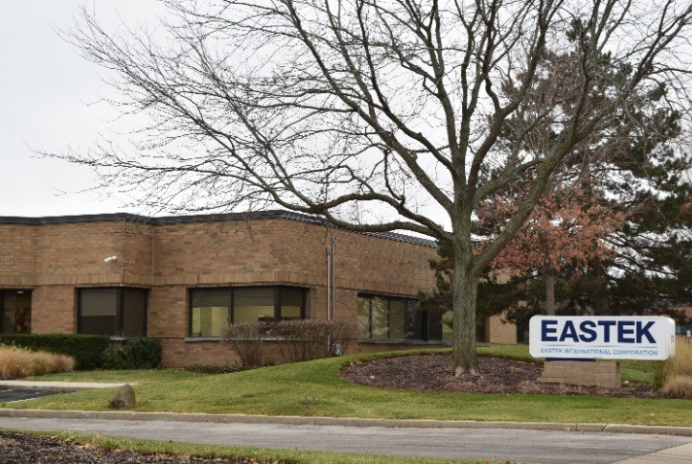 Vernon Hills supports engineering, program management, and is expanding soon to offer New Product Introduction (NPI) and high-level assembly (HLA). This will includecoordinating materials and supply chain planning as programs move toward production.
It allows for direct communication during design and early development, when changes can be addressed more efficiently. This helps improve alignment as programs transition into manufacturing.
It also provides customers with a U.S.-based point of contact throughout the program lifecycle.
How does your Mexico operation support customers in North America?
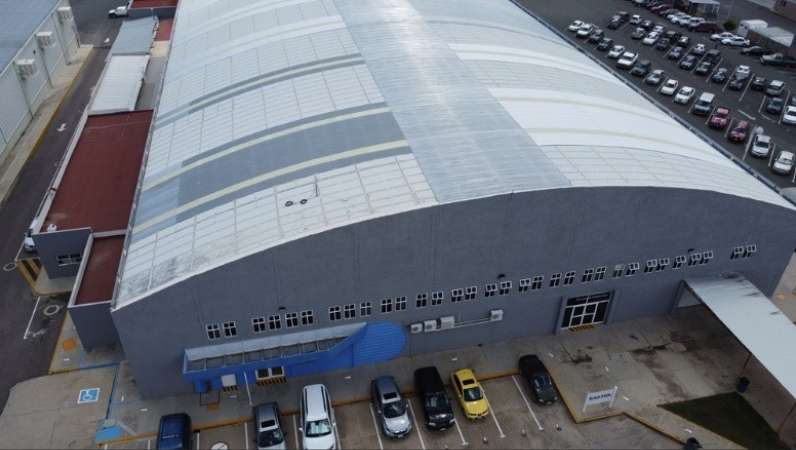 Mexico provides a combination of scale and integrated capabilities.
Our two Mexico facilities support, PCBA, injection molded plastics, battery systems, and box build assembly within a single campus. This helps reduce the need for multiple suppliers and simplifies program management.
These locations support North American demand, with the ability to adjust capacity based on customer needs.
How are customers using your Malaysia facility today?
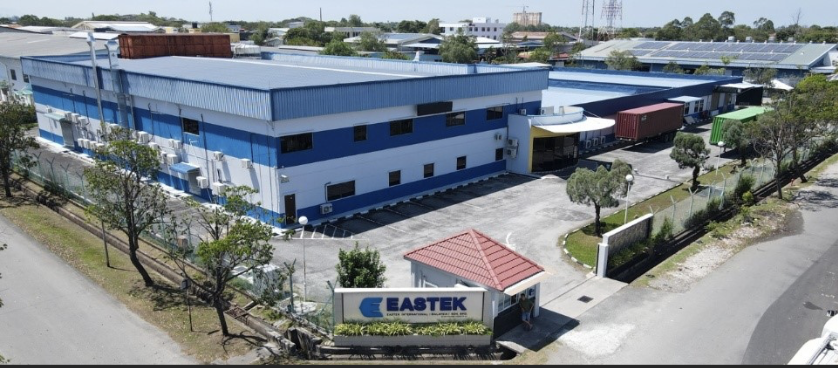 Malaysia provides an additional option within Southeast Asia.
The facility supports electronics-focused manufacturing, including capabilities such as die attachment and wire bonding. It is also used for PCBA, prototyping, and box build assembly.
For many customers, this supports supply chain diversification and regional flexibility.
How does early collaboration influence program outcomes?
Early engagement allows for input during design and development.
This includes design for manufacturability, material selection, and assembly considerations. Addressing these factors earlier in the process can reduce the need for changes later in production.
Collaboration at this stage helps improve alignment between design and manufacturing requirements.
At what stage in the product lifecycle does Eastek typically engage?
Engagement often begins during design and development.
This allows manufacturing considerations to be incorporated early in the process. Eastek follows a structured NPI process that guides programs from concept through production.
This approach supports a more controlled transition into manufacturing.
What trends are shaping how OEMs approach outsourcing today?
Many companies are looking to simplify their supply base.
There is also increased focus on flexibility across regions. Supply chain considerations continue to influence how production is distributed.
At the same time, product complexity is increasing, which places greater emphasis on engineering support, testing, and process control.
How do you maintain consistency across multiple global facilities?
Consistency is supported through shared systems and processes.
Each facility has a defined role within the overall model. Vernon Hills supports engineering and customer engagement. Mexico supports integrated North American production across PCBA, plastics, and full system assembly, with proximity that helps improve responsiveness and lead times. Malaysia supports electronics manufacturing with additional capabilities in microelectronics processes such as die attachment and wire bonding, while providing a strategic presence in Southeast Asia.
Standardized quality systems and program management practices are used across all locations.
How do you approach quality across the organization?
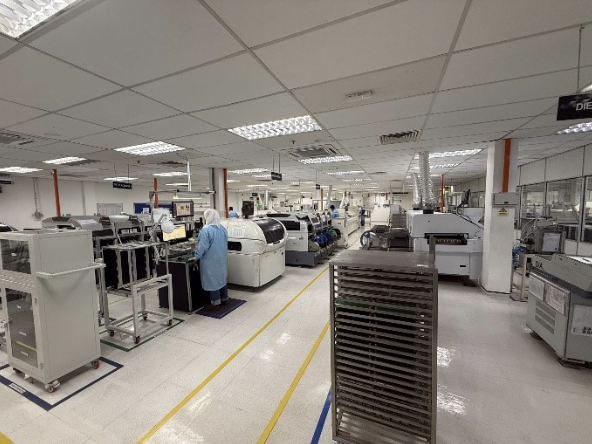 Quality is integrated throughout the manufacturing process.
Standardized systems are used across facilities, with traceability and defined accountability. Inspection and testing occur at multiple stages of production.
This approach supports consistent outcomes across different manufacturing locations.
Looking ahead, what are the key opportunities and challenges for Eastek?
There is continued demand for partners who can support multiple stages of the product lifecycle.
As products become more complex and supply chains continue to evolve, there is a need for alignment between design, manufacturing, and logistics.
Maintaining that alignment while scaling capabilities and supporting multiple regions will remain a key focus.